Catering 2026 is undergoing a dynamic transformation: convenience, standardization and new sales channels are growing in importance. Restaurateurs, hotels and caterers are increasingly turning to solutions to improve speed, quality stability and profitability.
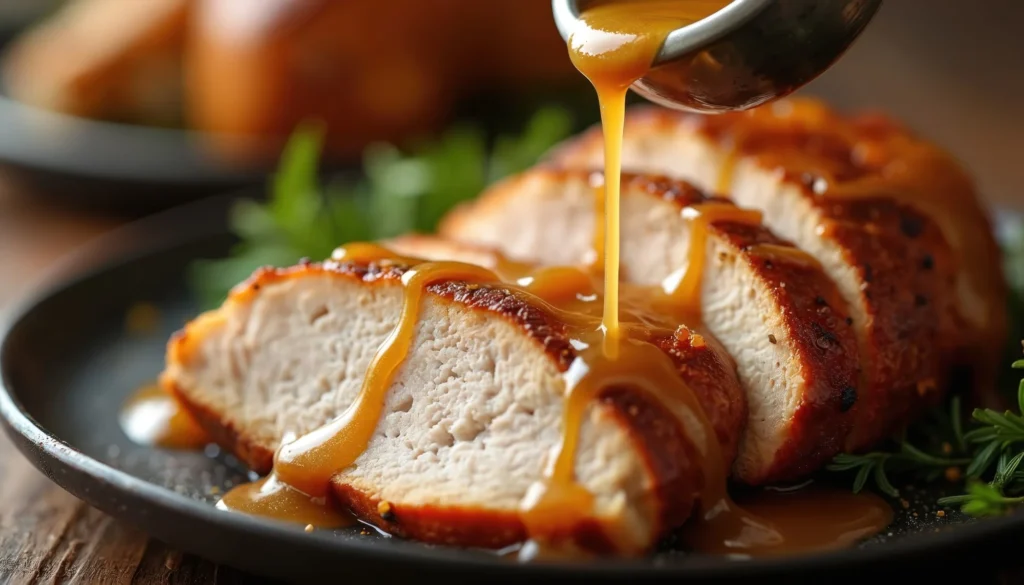
The HoReCa market has changed for good, and operators are increasingly investing in convenience, automation and new business formats. Visitor expectations are rising, while at the same time there is a shortage of manpower – so kitchens are reducing the number of processes that require highly skilled personnel. Premium foodservice intermediates have become a key direction, enabling quick preparation of food while maintaining stable quality. More and more restaurants are using ready-made broths, sauces or pre-treated meats to reduce preparation time and minimize the risk of mistakes. Among these solutions, turkey convenience products, which are delicate, easily digestible and versatile, are particularly growing in importance. Turkey is well suited to the needs of modern venues: it recovers quickly, stands up well to reheating, and allows you to create dishes from lunch to diet, while maintaining high nutritional value.
The second pillar is menu shortening and specialization. Instead of elaborate charters, many operators offer a dozen well-curated dishes, making it easier to train staff and reduce waste. The trend of “specialty restaurants,” well-known in the US and European markets, is increasingly appearing in Poland as well – establishments focusing on a single product are building an advantage through perfection of execution.
In parallel, delivery, virtual brands and ghost kitchens are growing in importance. For many restaurants, the delivery channel is the foundation of revenue, and the ability to run several concepts from one kitchen increases operational efficiency. Hotels are deploying in-room dining ordering apps, responding to the needs of guests accustomed to simple and quick solutions.
Finally, operators are investing in technology, POS systems that integrate sales from multiple channels, mobile apps, self-service kiosks or QR menus. All of these tools reduce service time, increase guest convenience and support precise work scheduling. The trend of convenience today is not to simplify gastronomy, but to professionalize it.